
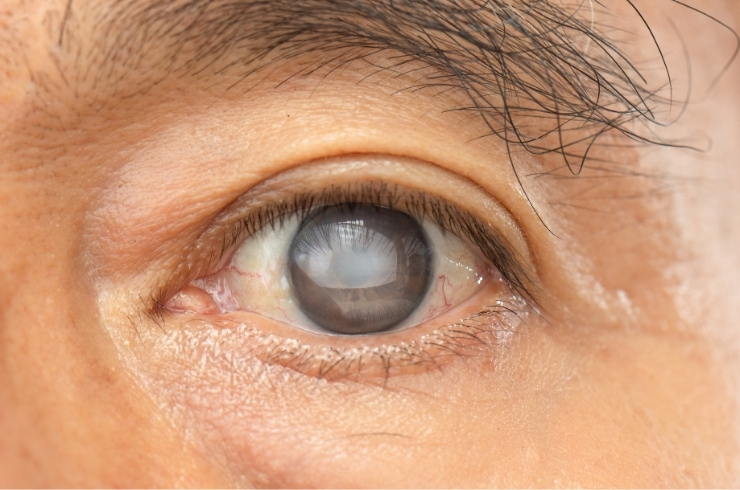
A cataract is a common eye condition where the natural lens becomes cloudy due to protein buildup, leading to blurred or dim vision. At our eye hospital in Thane, we provide advanced cataract diagnosis and treatment to help you regain clear, sharp eyesight. While cataracts are more common with aging, they can also occur due to injury, medical conditions, or prolonged UV exposure. With modern cataract surgery in Thane, this condition is safely treatable.
Lens Clouding:
The clear lens becomes opaque as proteins break down and clump together.
Light Disturbance:
Clouding scatters light entering the eye, preventing clear images from reaching the retina.
Common signs that may indicate the need for cataract treatment in Thane include:
• Blurred or cloudy vision
• Increased sensitivity to light and glare
• Difficulty seeing at night
• Faded or yellowish colors
• Frequent changes in glasses prescription
• Double vision in one eye
Cataracts can develop due to several factors, including:
• Aging: Natural lens changes over time
• Eye Injury: Trauma leading to lens damage
• Family History: Genetic predisposition
• Medical Conditions: Especially diabetes-related eye issues
• UV Exposure: Long-term sun exposure without protection
• Steroid Use: Prolonged medication use
• Smoking & Alcohol: Increased oxidative stress affecting eye health
Different types of cataracts treated at our Thane eye hospital include:
• Nuclear Cataract: Affects the center of the lens
• Cortical Cataract: Begins at the edges and progresses inward
• Posterior Subcapsular Cataract: Forms at the back of the lens
• Congenital Cataract: Present at birth or early childhood
• Secondary Cataract: Linked to other health conditions
• Traumatic Cataract: Caused by eye injuries
At our advanced eye care center in Thane, we offer:
• Comprehensive Diagnosis: Detailed eye examination for accurate detection
• Early Management: Glasses, improved lighting, and lifestyle adjustments
• Advanced Cataract Surgery: Safe removal of the cloudy lens and replacement with high-quality intraocular lenses (IOLs)