
Introduction
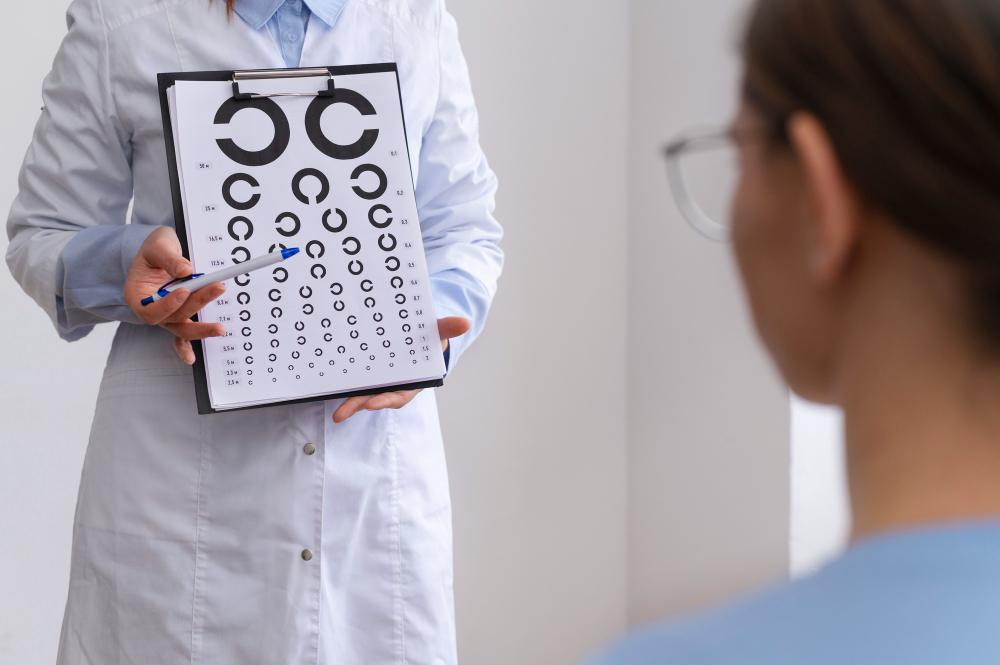
Routine eye exams matter for everyone, not just those who wear glasses. These check-ups help keep your eyes healthy and your vision clear. Many people skip eye exams if they see well. However, regular visits can catch problems early. In fact, some eye diseases show no signs at first. Because of this, routine eye exams are a key part of preventive eye care. Let’s explore why you should make them a habit.
What Are Routine Eye Exams?
Routine eye exams are regular check-ups with an eye care specialist. During these visits, your eye doctor checks your vision and the health of your eyes. For example, they may use special lights and lenses to look inside your eyes. These exams are different from vision screenings, which are quick tests. Instead, a full eye exam is more detailed and can spot problems early. So, even if you have no symptoms, routine eye exams are important for everyone.
Key Benefits of Regular Eye Check-Ups
There are many reasons to get regular eye exams. First, they help keep your vision sharp. Also, they can catch eye diseases before you notice any changes. In addition, eye exams can reveal other health issues, such as diabetes or high blood pressure. Here are some key benefits:
Because of these benefits, regular eye check-ups are a smart choice for everyone.
Common Eye Conditions Detected Early
Many eye problems can be found early during routine exams. For instance, some conditions have no warning signs at first. However, early treatment can prevent vision loss. Here are some common eye conditions that routine exams can detect:
According to the CDC, millions of people in the U.S. have undiagnosed eye diseases. Therefore, routine exams are vital for early detection and treatment.
What to Expect During an Eye Exam
Many people feel nervous before an eye exam. However, the process is simple and painless. During your visit, your eye doctor will:
Sometimes, your doctor may use drops to widen your pupils. This helps them see the back of your eyes better. After the exam, you can ask questions about your eye health or vision needs.
How Often Should You Get an Eye Exam?
How often you need an eye exam depends on your age, health, and risk factors. For example, children should have their first eye exam before starting school. Adults with no symptoms should get an exam every one to two years. However, people with diabetes or a family history of eye disease may need more frequent visits. The American Academy of Ophthalmology suggests:
Because everyone is different, ask your eye doctor how often you should come in.
Tips for Maintaining Eye Health
Besides routine eye exams, there are simple steps you can take to protect your vision. For example, you can:
Additionally, keeping your body healthy helps your eyes too. So, regular exercise and good sleep are important for your vision.
Prevention and Early Detection
Prevention is always better than cure. Because many eye diseases can be silent, early detection is key. Routine eye exams help find problems before they get worse. As a result, you have a better chance of keeping your vision healthy for life. According to the World Health Organization, up to 80% of vision loss is preventable or treatable. Therefore, regular check-ups and healthy habits make a big difference.
Conclusion
In summary, routine eye exams matter for everyone, no matter your age or vision. They help catch problems early, protect your sight, and keep your eyes healthy. Don’t wait for symptoms to appear. Instead, schedule a routine eye exam and talk to your eye care specialist Dr. Sandeep Saildesai at Laxmijyot eye hospital for advice tailored to you.