
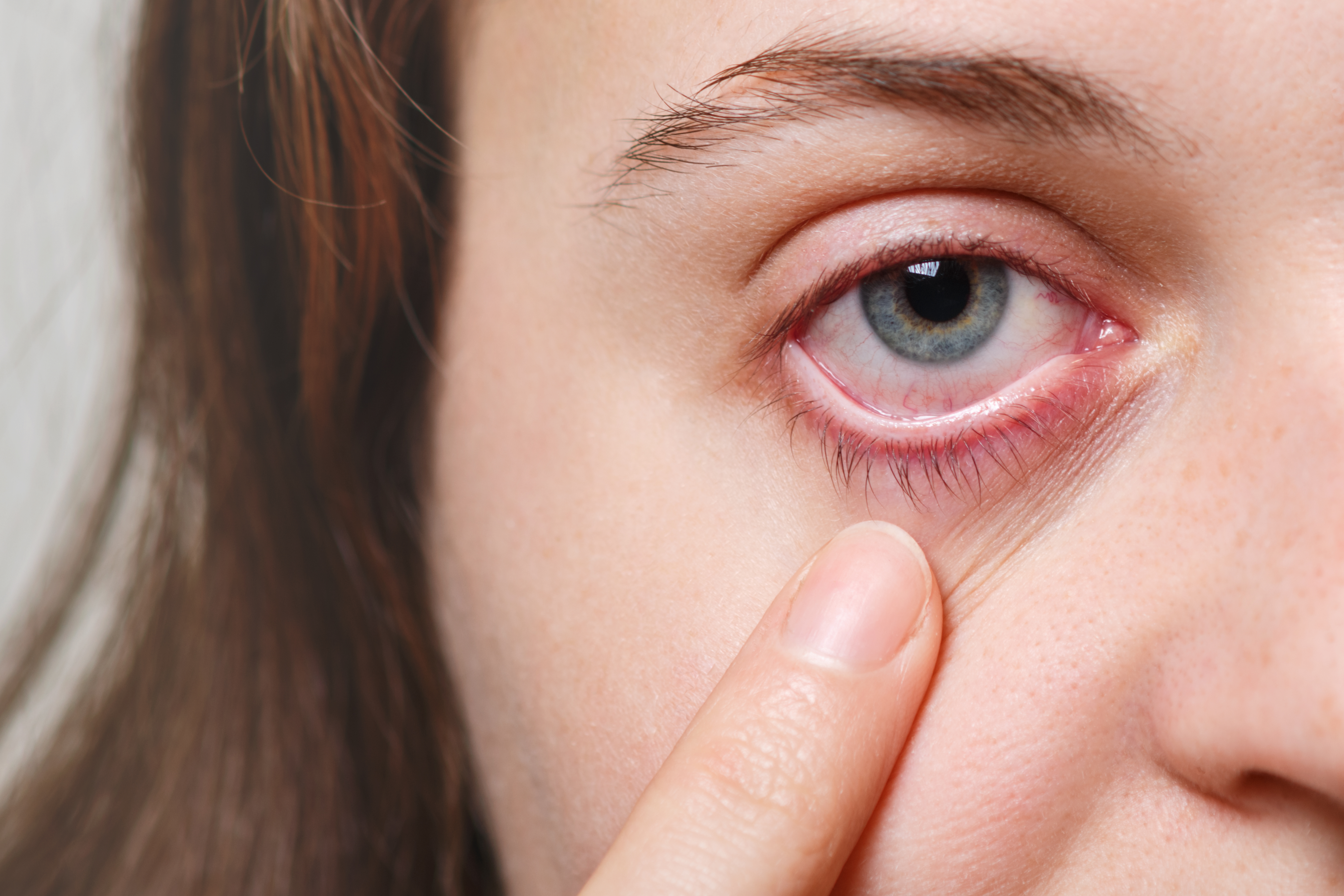
What is Uveitis?
Uveitis is a type of eye inflammation. It affects the middle layer of the eye, called the uvea. Because this layer is important for eye health, uveitis can cause vision problems if not treated. In many cases, uveitis develops quickly. However, it can also last for a long time. Early treatment helps prevent serious eye damage.
Common Symptoms of Uveitis
Uveitis symptoms can appear suddenly or develop slowly. For example, you may notice changes in your vision or feel pain in your eye. Knowing the signs helps you seek help sooner. Common symptoms include:
Sometimes, symptoms are mild. But if you notice any of these signs, it is important to see an eye doctor.
Causes and Risk Factors
There are many causes of uveitis. Sometimes, doctors cannot find a clear reason. However, some known causes and risk factors include:
In addition, some people are more at risk. For example, those with immune system problems or a family history of eye diseases may develop uveitis more easily.
How Uveitis is Diagnosed
Doctors use several steps to diagnose uveitis. First, they ask about your symptoms and medical history. Next, they perform a full eye exam. During the exam, your doctor may:
Sometimes, blood tests or scans help find the cause. Because early diagnosis is key, do not delay seeing a doctor if you have symptoms.
Treatment Options for Uveitis
There are several uveitis treatment options. The main goal is to reduce eye inflammation and prevent vision loss. Your doctor may suggest:
In some cases, you may need injections or surgery. However, most people improve with early and proper treatment. Always follow your doctor’s advice for the best results.
Tips for Living with Uveitis
Living with uveitis can be challenging. But there are ways to protect your eyes and health. For example, you can:
Additionally, let your doctor know if symptoms return or get worse. Early action can prevent problems.
Prevention and When to See a Doctor
While you cannot always prevent uveitis, some steps may lower your risk. For instance, you can:
Most importantly, see an eye specialist if you notice any signs of eye inflammation. Quick care can save your vision. According to the CDC and WHO, early treatment is the best way to avoid lasting damage.
In summary, uveitis is a serious eye condition. But with the right care, most people recover well. Consult an eye specialist Dr. Sandeep Saildesai for personalized advice on uveitis.