
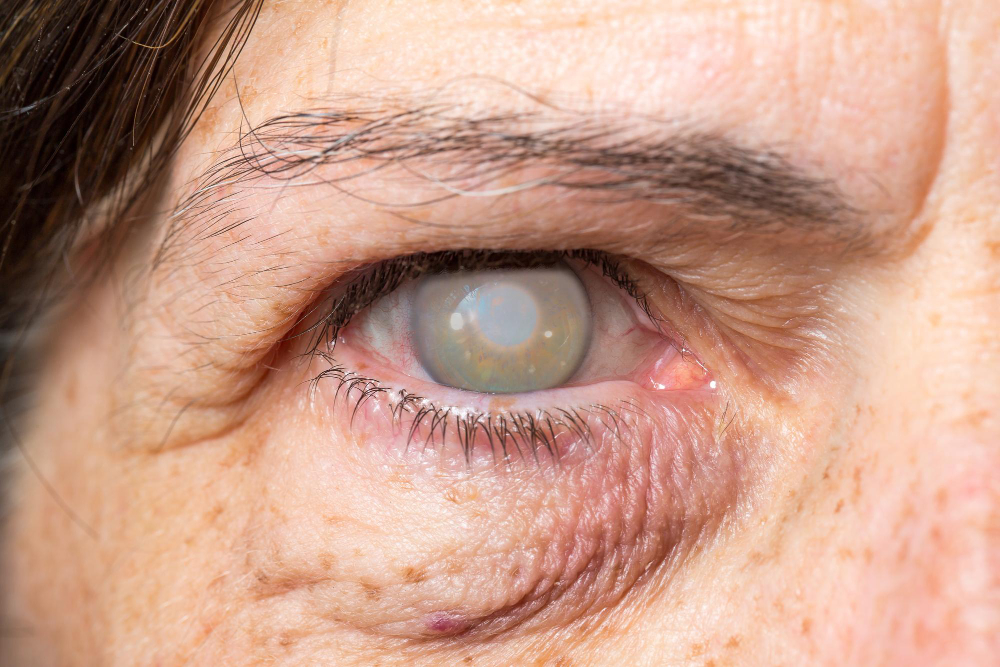
Introduction to Cataracts
A cataract is a cloudy area in the lens of your eye. Because of this cloudiness, your vision can become blurry or dim. In fact, cataracts are a leading cause of vision loss worldwide. According to the World Health Organization, they are very common, especially as people age. But what is a cataract, and how does it affect your eye health? Let’s find out.
Symptoms of Cataracts
Often, cataracts develop slowly. Therefore, you may not notice changes right away. However, as the cataract grows, you might experience:
If you notice any of these cataract symptoms, it is important to talk to an eye doctor.
Causes and Risk Factors
Most cataracts are caused by aging. As you get older, the proteins in your eye’s lens can clump together. This makes the lens cloudy. However, other factors can also increase your risk, such as:
Because these risks add up over time, it is important to protect your eyes early.
Diagnosis of Cataracts
Usually, an eye specialist can diagnose a cataract during a simple eye exam. First, they will ask about your symptoms. Next, they will check your vision and look at your eyes with special lights. Sometimes, they may use eye drops to widen your pupils. This helps them see the lens more clearly. Early diagnosis is key for good eye health.
Treatment Options
At first, you may only need stronger glasses or better lighting. However, if the cataract gets worse, surgery is the only way to restore clear vision. During cataract surgery, the cloudy lens is removed and replaced with a clear artificial lens. This procedure is safe and common. In fact, millions of people have cataract surgery every year. If you are looking for cataract treatment near you, ask your eye doctor for advice.
Prevention and Lifestyle Tips
While you cannot always prevent cataracts, you can lower your risk. For example, you can:
Because these steps support eye health, they may help delay cataract formation.
When to See an Eye Specialist
If you notice blurry vision, trouble seeing at night, or other changes, do not wait. Instead, schedule an eye exam soon. Early treatment can protect your sight. Even if you have no symptoms, regular eye checks are important, especially after age 60. Your eye specialist can help you manage cataracts and keep your eyes healthy.
For personalized advice about cataracts, consult an eye specialist at Laxmijyot Eye Hospital. Your vision matters.