
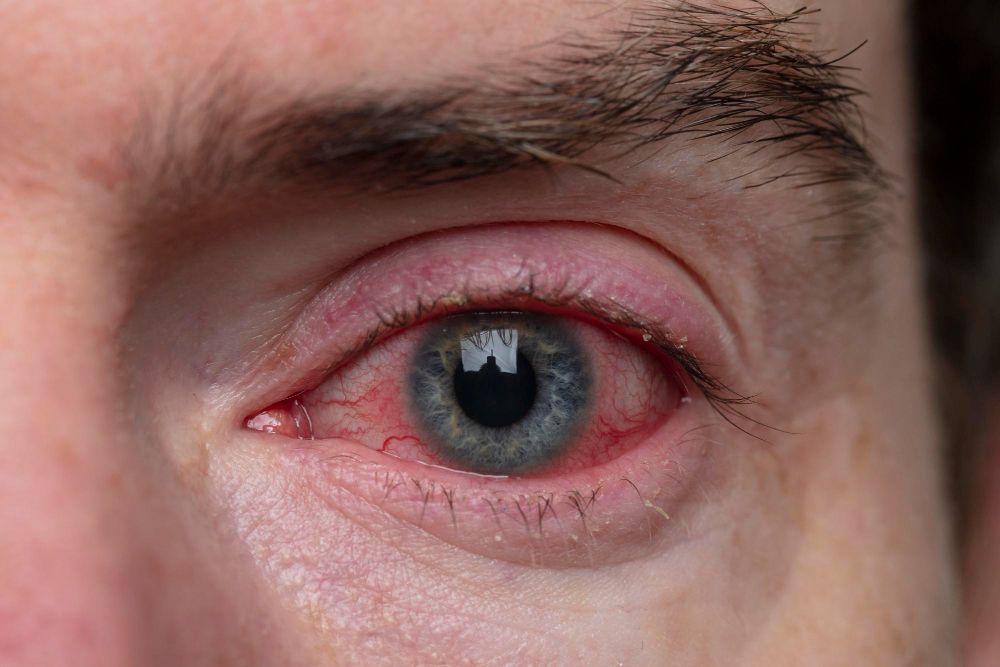
Conjunctivitis, also called pink eye, is a common eye problem. It causes redness, itching, and swelling in one or both eyes. Many people wonder about the 6 main causes of conjunctivitis. Knowing these causes can help you avoid infection and keep your eyes healthy. In this blog, we will explain the main conjunctivitis causes, types of pink eye, and how to prevent conjunctivitis. We will also share when to see a doctor for help.
1. Viral Infections
First, viral infections are a leading cause of conjunctivitis. Viruses like the common cold virus often spread easily. When you touch your eyes after touching something with the virus, you can get pink eye. Symptoms usually include watery eyes, redness, and a gritty feeling. Sometimes, you may also have a runny nose or sore throat. Viral conjunctivitis spreads quickly, especially in schools or crowded places. To prevent it, wash your hands often and avoid touching your face. According to the CDC, viral pink eye is the most common type in the United States.
2. Bacterial Infections
Next, bacterial infections can cause conjunctivitis. Bacteria such as Staphylococcus or Streptococcus are common culprits. These germs can enter your eyes through contact with dirty hands or contaminated objects. Bacterial conjunctivitis often causes thick, yellow or green discharge. Your eyelids may stick together, especially in the morning. Children are at higher risk, but anyone can get it. Good hygiene, like not sharing towels, helps prevent this type. If you notice pus or severe redness, see a doctor for treatment.
3. Allergies
Allergic conjunctivitis happens when your eyes react to allergens. Common triggers include pollen, dust mites, pet dander, or mold. This type is not contagious. Symptoms often include itchy eyes, tearing, and swelling. You may also sneeze or have a runny nose. People with seasonal allergies are more likely to get this type. To reduce your risk, keep windows closed during high pollen times and use air filters. Over-the-counter allergy medicines can help, but talk to your doctor for the best advice.
4. Irritants and Chemicals
Sometimes, irritants or chemicals can cause conjunctivitis. For example, smoke, chlorine from pools, or cleaning products may irritate your eyes. This type of pink eye usually causes redness, burning, and watery eyes. It is not contagious, but it can be very uncomfortable. If you get chemicals in your eyes, rinse them with clean water right away. Always wear protective eyewear when using harsh products. Avoiding known irritants is the best way to prevent this cause.
5. Contact Lenses
Wearing contact lenses can also lead to conjunctivitis. If you do not clean your lenses properly, germs can build up. Old or damaged lenses may also irritate your eyes. Symptoms include redness, discomfort, and blurry vision. Contact lens wearers are at higher risk if they sleep in their lenses or use expired solutions. To prevent problems, always follow your eye doctor’s cleaning instructions. Replace lenses as recommended and never share them with others.
6. Newborn Conjunctivitis (Ophthalmia Neonatorum)
Finally, newborns can get a special type of conjunctivitis. This is called ophthalmia neonatorum. It happens when babies are exposed to bacteria during birth. Symptoms include red, swollen eyelids and discharge. This condition can be serious and needs quick treatment. Hospitals in the United States often use eye drops after birth to prevent infection. If your newborn has eye redness or discharge, see a doctor right away.
When to See a Doctor
Sometimes, conjunctivitis can be mild and go away on its own. However, you should see a doctor if:
Early treatment can prevent problems and protect your vision.
If you notice symptoms of conjunctivitis, consult an eye specialist at Laxmijyot Eye Hospital for personalized advice. Taking care of your eyes helps keep them healthy and comfortable.