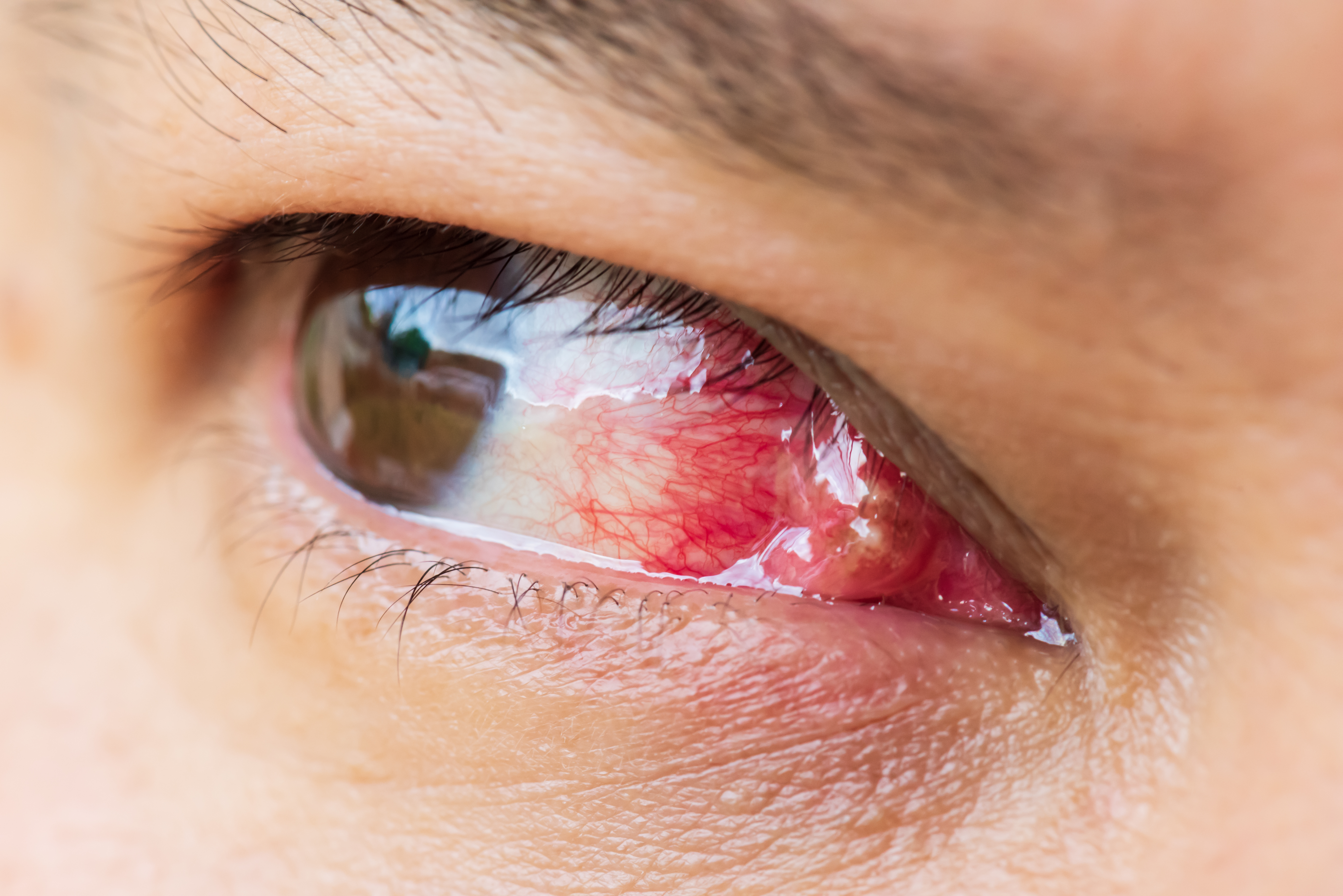
Pterygium is a common eye condition where a fleshy growth appears on the white part of the eye. It often starts near the corner closest to your nose. Knowing the symptoms of pterygium is important because early signs can help you protect your vision. If you spot these symptoms, you can seek help before the problem gets worse. In this blog, we will explain the main warning signs and what you might feel if you have pterygium.
1. Visible Growth on the Eye
One of the most noticeable symptoms of pterygium is a visible, raised growth on the white part of your eye. This growth often looks pink or flesh-colored. Usually, it starts near the nose and moves toward the center of the eye. For many people, this is the first sign they see.
2. Redness from Pterygium
Redness is another common symptom. The area around the growth may look red or irritated. Often, this redness comes and goes. However, it can become more noticeable after spending time in the sun or wind. Redness from pterygium is a key warning sign to watch for.
3. Eye Irritation or Gritty Feeling
Many people with pterygium feel like something is in their eye. This gritty or scratchy feeling can be mild or strong. Sometimes, it feels like sand or dust is stuck in your eye. As a result, you may want to rub your eye often.
4. Dryness and Tearing
Pterygium can cause your eye to feel dry. On the other hand, it may also make your eye water more than usual. This happens because the growth can change how your tears spread across your eye. Either dryness or extra tearing can be a sign of pterygium.
5. Blurred Vision
Sometimes, pterygium can affect your vision. If the growth moves onto the clear part of your eye (the cornea), it can cause blurred vision. This is a serious warning sign. Blurred vision may come and go, or it may get worse over time.
6. Sensitivity to Light
Many people with pterygium notice their eyes become more sensitive to light. Bright sunlight or strong indoor lights may bother you. This symptom is called photophobia. It can make outdoor activities less comfortable.
According to the World Health Organization and leading eye health experts, these symptoms are the most common warning signs of pterygium. Early detection can help prevent vision problems.
Conclusion: Know the Symptoms of Pterygium
Recognizing the symptoms of pterygium early can help you protect your eyes. If you notice any of these warning signs, do not ignore them. Instead, take action to keep your vision safe. If you notice any of these symptoms, consult an eye specialist Dr. Sandeep Saildesai for personalized advice.