
Introduction
Keratoconus is an eye condition that affects the shape of the cornea. The cornea is the clear, front part of your eye. When you have Keratoconus, the cornea becomes thin and bulges outward like a cone. As a result, vision can become blurry or distorted. Many people search for information about Keratoconus symptoms, best treatment for Keratoconus, and how to manage eye health. Early detection and proper care can help protect your vision.
What is Keratoconus?
Keratoconus is a condition where the cornea gets thinner and changes shape over time. Normally, the cornea is round and smooth. However, in Keratoconus, it slowly becomes cone-shaped. This change makes it hard for the eye to focus light. Therefore, vision may become blurry or wavy. Although Keratoconus often starts in the teenage years, it can also appear later. It usually affects both eyes, but one eye may be worse than the other.
Symptoms of Keratoconus
Early on, symptoms of Keratoconus can be mild. But as the condition gets worse, you may notice more changes in your vision. For example, you might experience:
Sometimes, you may feel mild eye discomfort or notice redness. If you have any of these symptoms, it is important to see an eye doctor soon.
Causes and Risk Factors
Doctors do not know the exact cause of Keratoconus. However, several factors may increase your risk. For instance, you may be more likely to develop Keratoconus if you:
In addition, some studies suggest that genetics and the environment both play a role. Although anyone can get Keratoconus, it is more common in some families.
Diagnosis of Keratoconus
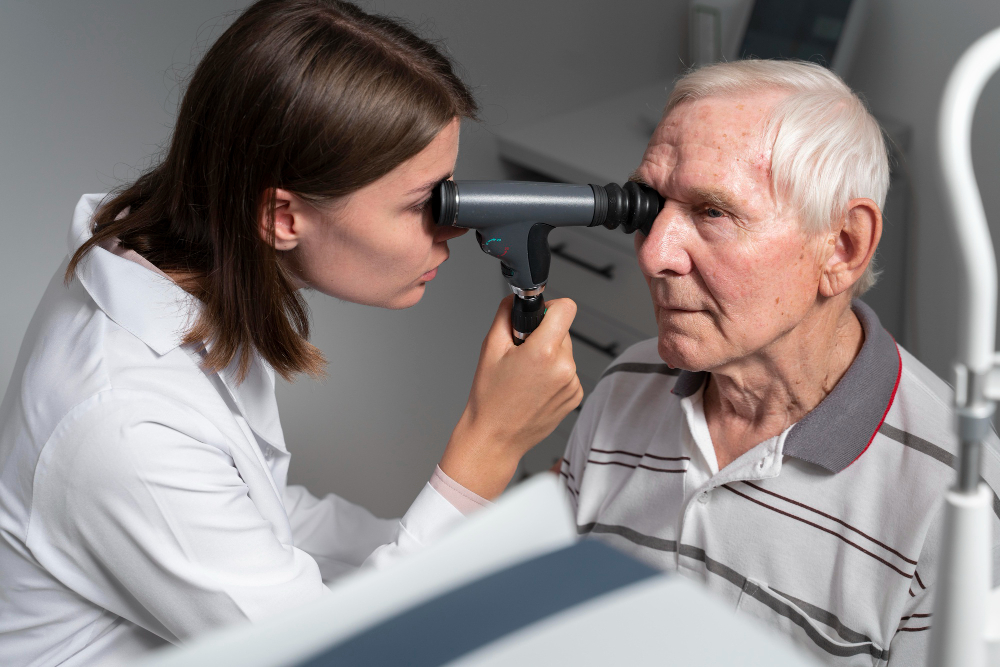
To diagnose Keratoconus, your eye doctor will do a full eye exam. First, they may ask about your symptoms and family history. Next, they will check your vision and look at your cornea. Special tests, such as corneal topography, can map the shape of your cornea. This test helps the doctor see if your cornea is thinning or bulging. Sometimes, other scans or measurements are needed to confirm the diagnosis. Early diagnosis is important, so regular eye check-ups are helpful.
Treatment Options
Treatment for Keratoconus depends on how severe the condition is. In the early stages, glasses or soft contact lenses may help. However, as the cornea changes shape, you may need special contact lenses. Some common treatment options include:
Your eye doctor will help you choose the best treatment for your needs. New treatments are always being studied, so ask about the latest options.
Lifestyle Tips and Daily Management
Living with Keratoconus can be easier with some daily habits. For example, you can:
With these tips, you can help protect your vision and stay comfortable each day.
Prevention and Early Detection
While you cannot always prevent Keratoconus, early detection can make a big difference. Therefore, it is important to:
Early treatment can slow the condition and protect your eyesight. In addition, talking with your doctor about your risk can help you stay informed.
Conclusion
Keratoconus can affect your vision, but early care and the right treatment can help. If you notice any changes in your eyesight, do not wait. Consult us for personalized advice on Keratoconus. Protecting your eyes today can help you see clearly tomorrow.